Two Types of Background Checks – what Are the Different Types of Background Checks?
When it comes to background checks, there are two types: fingerprint-based checks and name-based checks. While both search for criminal records, they work in different ways. Understanding these differences can help you know what to expect and which type of check is right for your needs.
How Name-Based Background Checks Work
A name-based background check is exactly what it sounds like. The background screening company searches criminal databases using name, SSN number, and date of birth. This type of check looks through court records, county federal, aggregated databases, and state records to find any criminal history connected to your name.
Name-based checks are faster and usually cost less than fingerprint checks. Most employers use this method because it’s more convenient. The screening company will search the places where the candidate has lived and worked to see if any criminal records match the name and birthdate.
However, name-based checks aren’t perfect. If someone has a common name like John Smith or Maria Garcia, there might be multiple people with the same name in the database. The background check company has to carefully match other details like age, social security number and location to make sure they’re looking at the right person. Sometimes people use nicknames or have changed their name legally, which can make the search more complicated.
What is a SSN Trace?
Before a background check company can search for criminal records, they need to know where to look. Most modern CRA’s use . An SSN trace is usually the first step in any name-based background check, and it helps the screening company figure out where you’ve lived and what names you’ve used.
When you provide your Social Security Number for a background check, the company runs it through credit bureau databases. These databases keep records of everywhere your SSN has been reported over the years. Every time you apply for credit, rent an apartment, or start a new job, your SSN gets linked to that address. The SSN trace pulls all these addresses together to create a history of where you’ve lived.
The SSN trace also shows if you’ve used different versions of your name. Perhaps a candidate went by “Mike” at one job and “Michael” at another. Or perhaps they used a maiden name at an old address and your married name at newer addresses. The trace catches these variations so the background check company knows to search under all the names you’ve used.
The SSN trace also helps verify your identity. It confirms that your name matches your Social Security Number and shows how long that number has been in use. If something looks wrong, like a brand new SSN for someone who claims to be forty years old, that’s a red flag that needs investigation. While the SSN trace itself doesn’t show criminal records, it’s the foundation that makes accurate name-based background checks possible.
How FCRA Protects Accuracy in Name-Based Background Checks
The Fair Credit Reporting Act, known as FCRA, is a federal law that protects people when background checks are used for employment. This law requires background check companies to follow strict rules to make sure the information they report is accurate and fair. Understanding these protections helps you know what professional screening companies do to get it right.
One of the most important FCRA requirements is that background check companies must use reasonable procedures to ensure maximum possible accuracy. This means they can’t just pull a record with a matching name and report it without checking if it’s really the right person. The company has to look at multiple identifiers like date of birth, address history, Social Security Number, and sometimes even middle names or aliases to confirm a match.
When a background check company finds a criminal record that might belong to you, they have to verify it’s actually yours before reporting it to an employer. They do this by comparing all available information from the court record against the information you provided. If the birthdate on the court record is different from yours, or the address doesn’t match anywhere you’ve lived, the company should investigate further before reporting it as your record.
FCRA also requires background check companies to report complete information, not just pieces of it. If a criminal case was dismissed or you were found not guilty, the report has to show that outcome. The company can’t just report that you were arrested without explaining what happened with the case. This rule protects people from having incomplete or misleading information hurt their job chances.
Background screening companies must also follow strict procedures when they find records for people with common names. If the company searches for James Johnson and finds ten different James Johnsons in the database, they have to carefully examine each one to figure out which records belong to the right person. They look at dates of birth, middle names, addresses, and other details to separate your records from someone else’s.
How Fingerprint-Based Background Checks Work
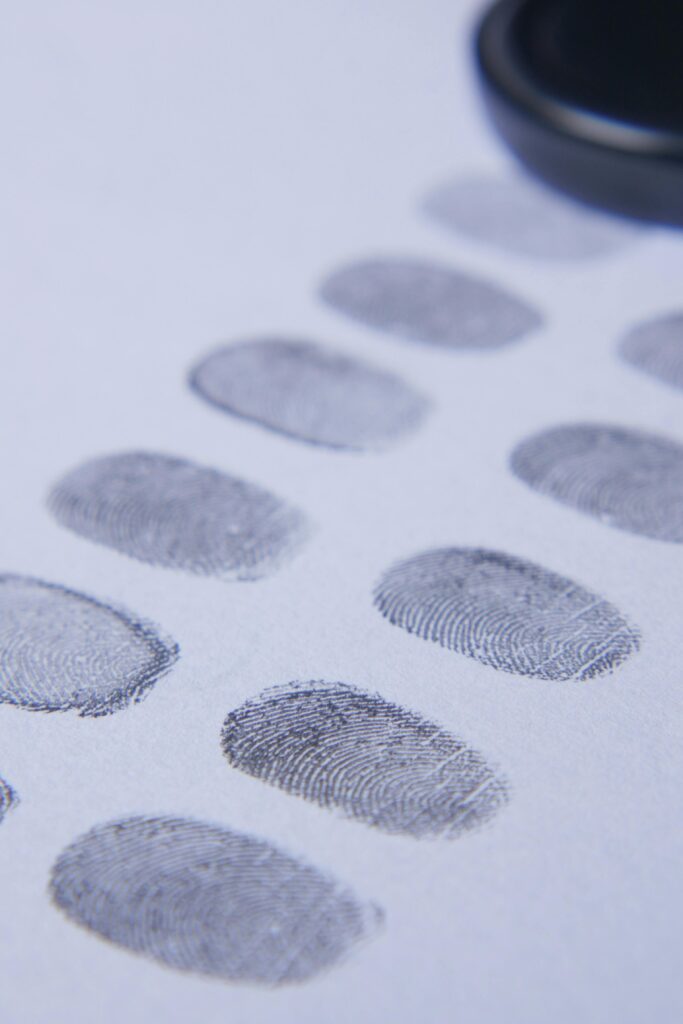
Fingerprint background checks use your actual fingerprints to search for criminal records. Fingerprints are completely unique to each individual, which means there’s no confusion about who the records belong to. When you get fingerprinted, those prints are sent to law enforcement databases that contain arrest records from across the country.
These checks are more accurate than name-based checks because fingerprints can not be faked or confused with someone else. Law enforcement agencies use fingerprint databases to track arrests and convictions. When your fingerprints are submitted for a background check, they’re compared against millions of prints in the system to see if there’s a match.
Fingerprint checks take longer and cost more than name-based checks. You also have to go to a specific location to get fingerprints taken by an approved vendor. Many jobs that work with vulnerable populations like children or elderly adults require fingerprint checks because they’re more thorough and reliable.
What Is an FBI Background Check?
An FBI background check is a fingerprint-based check that searches the FBI’s national database. The FBI keeps criminal records from all fifty states. This is the most comprehensive type of criminal background check you can get in the United States.
When someone orders an FBI background check, your fingerprints are sent to the FBI’s database, which contains records from federal, state, and local law enforcement agencies nationwide. The FBI compares your fingerprints to their records and sends back a report showing any criminal history they find.
Many jobs require FBI background checks, especially positions that involve national security, working with children, healthcare, or jobs that require professional licenses. Some states also require FBI checks for teachers, healthcare workers and other professionals. The results can take anywhere from a few days to several weeks depending on how busy the FBI is.
Which Type of Background Check Do You Need?
The type of background check you need depends on what job you’re applying for. The majority of employers use name-based checks because they’re fast and affordable.
Fingerprint checks are required for jobs that work with vulnerable populations or need higher security. Teachers, nurses, childcare workers, and senior care providers often need fingerprint checks. Some states require fingerprint checks by law for certain professions. If you’re hiring for these types of positions, you’ll need to use fingerprint-based screening.
FBI background checks are the gold standard when you need the most complete picture possible. Federal jobs, positions requiring security clearances, and many healthcare roles require FBI checks. Some franchise systems and national employers also prefer FBI checks because they search records from every state, not just where the person currently lives.
Common Questions About Background Checks
Many people wonder if a fingerprint check will find records that a name-based check missed. The answer is maybe. Fingerprint checks search different databases that are maintained by law enforcement, while name-based checks search court records. Sometimes a person might have an old arrest in their fingerprint record that never went to court, so it wouldn’t show up in a name-based search.
Working With a Background Screening Company
No matter which type of check you choose, working with a professional background screening company makes the process easier. A good screening company will explain your options, help you understand legal requirements, and provide clear results you can actually use to make hiring decisions.
Look for a company that follows the Fair Credit Reporting Act and stays up to date with changing laws. They should be able to handle both name-based and fingerprint checks, explain the differences clearly, and help you choose the right option for each position. Fast turnaround times and good customer service are also important when you’re trying to fill a position quickly.
Understanding the difference between fingerprint and name-based background checks helps you make better hiring decisions and know what to expect when you’re the one being screened. Both types of checks serve important purposes in keeping workplaces safe and helping employers hire with confidence.
Get in Touch with Us to Learn More