
Mitigating Risk for Volunteer Organizations
In 2018, a case out of South Carolina exposed a nightmare many volunteer organizations would rather not confront: a volunteer can pass a background check and still pose a serious risk to children.
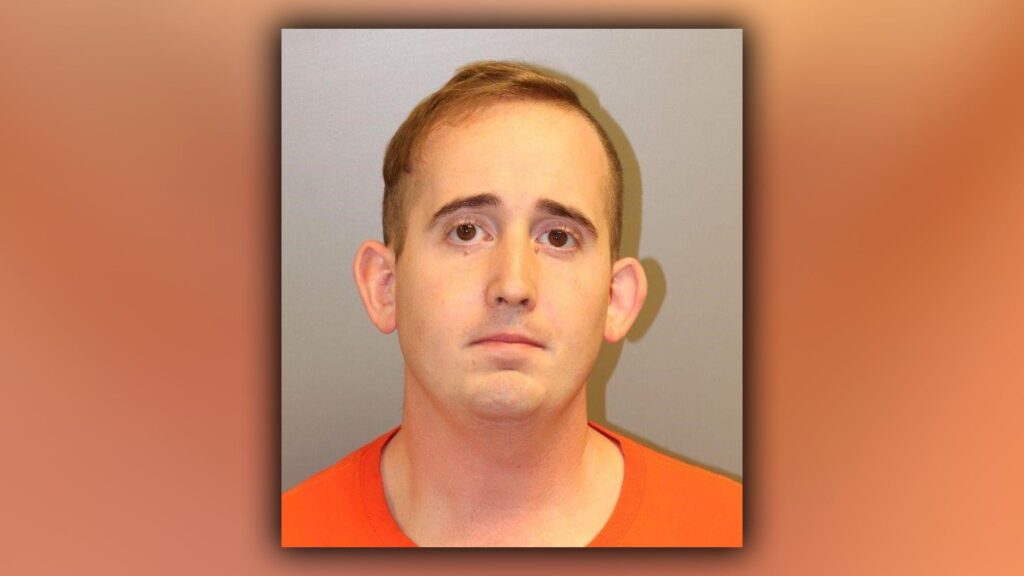
That year, Jacop Robert Lee Hazlett, a volunteer in the preschool daycare program at NewSpring Church, sexually assaulted multiple children on camera while under the church’s supervision. What followed was a criminal investigation, a lengthy prison sentence, and ultimately a confidential settlement with the victims’ families. But the case also raised deeper questions about how volunteer organizations screen their volunteers.
The Case at NewSpring Church
Hazlett volunteered at NewSpring Church’s North Charleston campus beginning in early 2018. Over the course of several months, he abused children as young as 2 years old, entrusted to the church’s care. According to court records, surveillance video later showed repeated incidents, including Hazlett taking children into bathrooms and assaulting them on church property.
The abuse continued until a report was made. Police reviewed the footage, arrested Hazlett, and charged him with multiple counts of criminal sexual conduct with a minor. In 2019, he was convicted and sentenced to 75 years in prison.
Years later, NewSpring Church reached a final settlement with at least seven families whose children had been abused. While the settlement amount was not publicly disclosed, the case underscored the scale of harm and the long-lasting impact on the victims and their families. The abuser is still in prison as of 2025.
How the Volunteer Passed Screening
Before Hazlett began volunteering, he completed NewSpring’s volunteer screening process. That process included a standard background check and a sex offender registry search. Both came back clear.
The reason was not a lack of diligence on the church’s part, but a legal limitation in how background checks work.
When Hazlett was 17 years old, he had been charged in Ohio with a serious sexual offense involving a child. Because the charge occurred when he was a juvenile and was not prosecuted as an adult, the record was sealed. Under the law, it did not appear in the criminal background check run years later.
From the perspective of a database search, Hazlett had no disqualifying history.
What the Background Check Could Not See
Criminal background checks only surface what the law allows to be visible. Juvenile cases, sealed records, and dismissed charges are often inaccessible, even when they involve serious allegations. In child-serving roles, this creates a blind spot that many organizations underestimate.
In Hazlett’s case, that blind spot proved devastating.
Civil lawsuits filed after the abuse alleged that Hazlett had previously volunteered at other churches in North Carolina and Ohio, and that concerns had been raised about his behavior around children. Those concerns never appeared in a criminal database. They were informal, internal, and undocumented in any public system.
Because reference checks were not conducted, those warning signs never reached NewSpring before Hazlett was placed in a childcare role.
Why Reference Checks Matter in Volunteer Screening
Reference checks are often skipped in volunteer programs, especially when roles are unpaid or informal. But for child-facing positions, references are often the only way to uncover patterns that criminal searches miss.
A reference check cannot access sealed records, but it can reveal whether someone was asked to step away from a role, whether boundaries were an issue, or whether supervisors had concerns that never escalated to law enforcement. In cases like this, those details matter.
Without them, organizations are left relying solely on databases that were never designed to tell the full story.
The Consequences for Volunteer Organizations
The impact of the NewSpring case extended far beyond the criminal conviction. Families were harmed, children were traumatized for life. The church faced lawsuits, public scrutiny, and long-term reputational damage.
These are the worst-case scenarios organizations hope to avoid. Volunteer groups often operate with limited resources and good intentions. But when children are involved, the cost of one mishap can be catastrophic.
The Lesson Behind the Case
The NewSpring Church case highlights the limits of criminal record reporting that organizations rely on to protect children.
This is precisely why Sure Check offers reference checks specifically for volunteer and child-serving organizations.
For volunteer organizations, the takeaway is clear and uncomfortable: background checks are one layer of protection, not a guarantee. When reference checks are excluded from the screening process, organizations are left relying on incomplete information in roles where the margin for error is zero.
Hazlett passed because the system could not see what the law kept hidden. And without reference checks or deeper vetting, there was nothing in place to catch what the database missed.